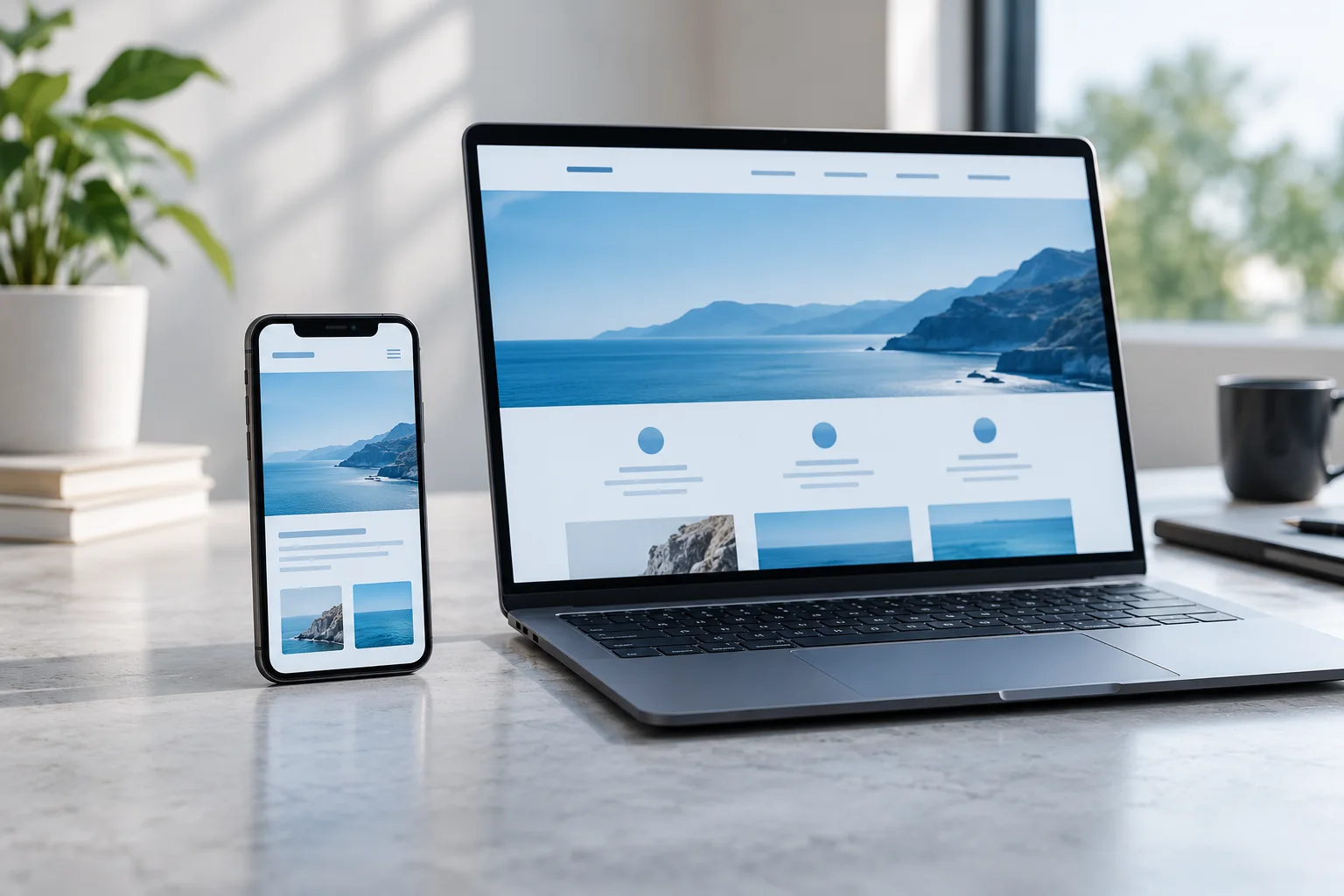


A website project becomes easier to plan when you can describe the job it must do. A new visual style may be part of that job, but it is rarely the whole brief. Start by identifying who needs the website, what they need to understand, and the action that would make their visit useful. That gives design, content, and development a shared direction.
Define one primary journey
Write a sentence describing your most important visitor: who they are, what brought them to the site, and what they want to resolve. For a specialist service business, the journey might be to understand whether the company handles a particular problem and then request a conversation. List the questions that must be answered before that request feels worthwhile. Avoid treating every visitor as if they already know your offer.
Give each page a clear responsibility
Create a small page map before discussing visual details. A service page should explain the problem addressed, the work involved, relevant limitations, and the next step. An About page should help people understand the business. A contact page should explain what happens after an enquiry. When two pages have the same purpose, consider combining them instead of spreading useful information across both.
Prepare the content that decisions depend on
Gather service descriptions, genuine project examples where available, process information, approved photographs, and answers to recurring customer questions. Assign a person to approve each type of material. Missing content often leads to design decisions based on placeholder text, which can make the finished page harder to use. Write in language your customer would recognise rather than internal department terminology.
Design the enquiry and the handover
Ask only for information your team needs to respond usefully. A longer form may be appropriate for a complex brief, but every field should have a reason. Explain required fields, provide visible labels, and show clear validation messages. Then map the internal handover: who receives the request, how it is recorded, and how a missed delivery is detected. A polished form is incomplete if nobody owns the response.
- Identify the receiving team and backup owner.
- Test a valid submission, an invalid entry, and delivery failure.
- Explain the next step without promising an unsupported response time.
Agree what to learn after launch
Define a small set of useful observations: relevant enquiries, common questions, form completion, and the pages people use before contacting you. Record a baseline if you are replacing an existing site. Review the quality of enquiries with the team handling them rather than treating every submission as equally valuable. Use those findings to choose the next improvement instead of redesigning on preference alone.
Bring a one-page brief covering audience, primary action, essential pages, content owners, and enquiry handling. That is a stronger starting point than a list of visual references by itself.
See how our web design & development service can help